
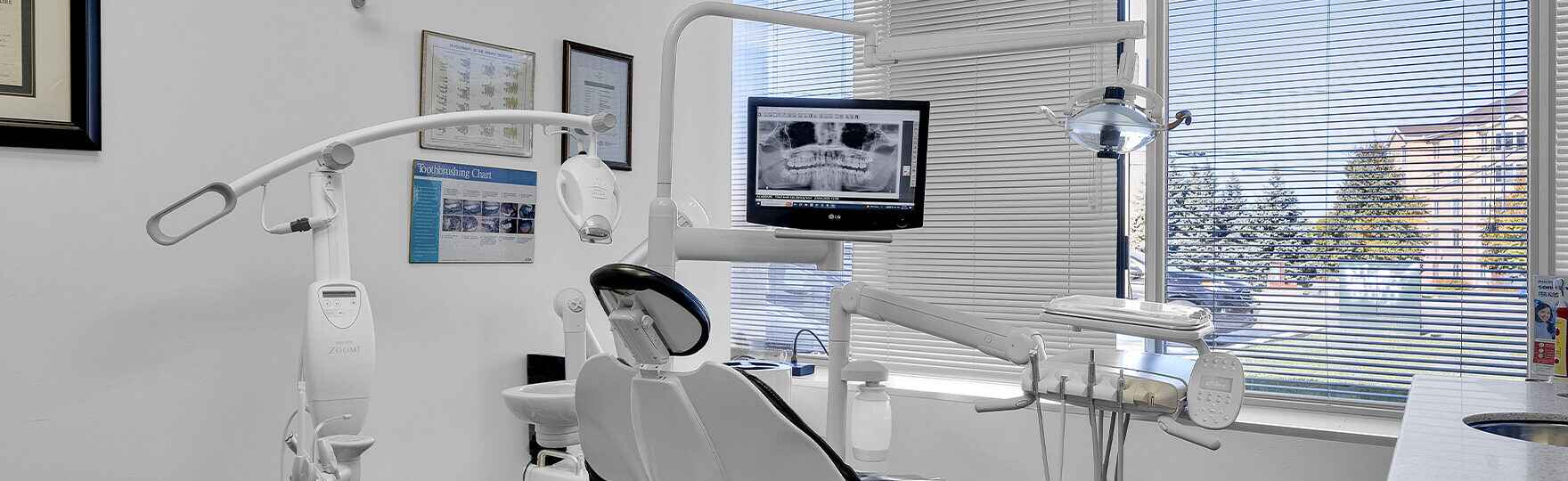
Tooth pain can begin suddenly and may become difficult to ignore within a short period of time. A sharp pain, deep ache, or pressure in the jaw may be linked to decay, infection, inflammation, or dental trauma. When symptoms appear quickly or become more intense, same-day emergency dentistry in Grimsby may help reduce the time between assessment and treatment.
Preventive dental care also plays an important role. Regular cleanings support gum health, reduce plaque and tartar buildup, and may help a dentist identify smaller concerns before they become more serious. Even so, urgent dental problems can still happen and may require prompt attention.
Common Causes of Sudden Tooth Pain
Sudden tooth pain often has an underlying cause. In some cases, the discomfort begins mildly and becomes more noticeable as the inside of the tooth or the surrounding gum tissue becomes irritated or inflamed.
Common causes may include:
- Tooth decay that extends into deeper layers of the tooth
- A cracked, chipped, or broken tooth
- A loose filling or worn dental restoration
- Gum inflammation or infection
- A dental abscess
- Grinding or clenching that places pressure on the teeth and jaw
Pain that comes and goes should still be taken seriously. Ongoing or worsening discomfort may indicate a problem that should be assessed by a dentist.
Signs That May Indicate a Dental Emergency
Some symptoms may suggest the need for urgent dental care rather than a routine appointment. These can include severe pain, visible swelling, bleeding after an injury, or damage to a tooth.
Other warning signs may include:
- Pus near the gums
- Fever along with dental pain
- Sudden pain when biting
- A knocked-out tooth
- Swelling in the face or jaw
When tooth pain begins to affect sleep, eating, or daily activities, access to an emergency dentist open now may help support timely evaluation and pain management. Infections and dental injuries can become more difficult to manage if treatment is delayed.
When to Seek Immediate Dental Care
Immediate dental care may be appropriate when symptoms suggest infection, trauma, or increasing swelling. Swelling in the gums, cheek, or jaw should be assessed promptly, especially when it occurs with pain, pressure, or an unpleasant taste in the mouth. A broken or partially dislodged tooth may also need urgent attention, as treatment timing can affect the available options.
When pain starts between regular dental visits, a walk-in dental clinic may provide a practical option for early evaluation. A dentist assesses the cause of the discomfort and explains what treatment, if any, may be recommended.
What Happens During an Emergency Dental Visit
An emergency dental visit is usually focused on identifying the source of pain and deciding on the next appropriate step in care. The dentist may begin with an exam and ask questions about when the pain started, how severe it feels, and whether swelling, trauma, or temperature sensitivity is present.
If needed, digital X-rays may be used to help identify issues below the surface. Based on the findings, the visit may focus on:
- Reducing pain
- Managing infection or inflammation
- Protecting the tooth and surrounding tissues
In some cases, treatment may be completed the same day. In others, temporary care may be provided first, followed by a later procedure depending on the condition of the tooth and surrounding tissue.
Treatment Options for Same-Day Tooth Repair
The appropriate treatment is based on the cause of the condition and how much it has progressed. If a tooth is cracked or broken, a dentist may recommend bonding, a filling, or a crown, depending on the amount of remaining tooth structure. If the pulp inside the tooth is infected, root canal treatment may be one option to remove the infection and preserve the tooth.
Possible treatment options may include:
- A filling or bonding for minor damage
- A crown for a weakened or fractured tooth
- Root canal treatment for infection inside the tooth
- Extraction if the tooth cannot be restored predictably
- Medication when swelling or infection is present, if clinically appropriate
If the tooth remains stable and restorable, same-day tooth repair may help protect the area and improve comfort. Treatment suitability varies from person to person and depends on the findings during the exam.
Tips to Handle Tooth Pain Before Your Appointment
A few simple steps may help while you wait to be seen. A gentle rinse with warm salt water may help maintain cleanliness in the affected area. It is also advisable to avoid chewing on that side and to apply a cold compress externally if swelling develops. Over-the-counter pain medication may also help when used as directed.
Placing aspirin on the gums or tooth is not recommended, as it can irritate the tissue. Because swelling can sometimes be linked to infection, emergency dental care for swelling may be appropriate when the cheek, jaw, or gums begin to enlarge or feel increasingly tender.
Final Thoughts
Tooth pain should not be ignored, especially when it is severe, persistent, or accompanied by swelling or visible damage. Early assessment may help reduce discomfort and lower the risk of further complications. Patients in Grimsby and nearby communities such as Beamsville, Lincoln, Winona, Stoney Creek, and Hamilton may benefit from timely dental evaluation when urgent symptoms appear. Bartlett & Main Family Dental Centre provides same-day emergency care for urgent dental concerns. If symptoms worsen or do not improve, it may be helpful to schedule an evaluation so a dentist can assess the cause and discuss appropriate next steps.