
Exploring the Role of Fluoride in Preventing Tooth Decay
January 1, 2026A strong smile starts with strong enamel. If you’re considering fluoride treatment in Grimsby, ON, you’re likely asking how this simple step can keep your teeth healthy for the long haul. Below, we explain what fluoride is, how it works, who benefits most, and what to expect at an appointment so you can feel confident about your preventive care choices.
What Is Fluoride and How Does It Work on Teeth
Fluoride is a natural mineral found in everyday sources like water, soil, and certain foods. On teeth, it acts as a helper during the daily cycle of demineralization and remineralization. Acids from bacteria and certain foods pull minerals out of enamel; saliva and fluoride add them back. When fluoride is present, the new mineral layer that forms fluorapatite resists acid better than the original surface. Over time, that means harder enamel and fewer weak spots.
The Science Behind Fluoride and Enamel Strengthening
Think of enamel as a porous lattice. Every day, acids open tiny pathways that make the surface vulnerable. Fluoride sits in these pathways and helps rebuild with tighter, more acid-resistant crystals. This doesn’t make teeth indestructible, but it raises the threshold at which acids can do harm. Research consistently shows fluoride reduces the incidence of decay when used as part of a complete home-care routine and regular checkups.
A few quick facts:
- Fluoride supports remineralization where early softening has begun.
- It lowers the “critical pH,” slowing the rate at which enamel dissolves.
- Topical sources like varnishes, gels, and toothpaste are the most impactful for everyday protection.
Benefits of Fluoride for Children vs. Adults
Children’s teeth are still maturing, both above and below the gumline. Topical fluoride helps newly erupted enamel harden faster, making it more resilient in those snack-heavy, brushing-still-learning years. For teens with braces, it can protect around brackets where plaque tends to collect.
Adults benefit, too, in different ways. Gum recession exposes root surfaces that demineralize more easily. Many adults also face dry mouth from medications, which reduces the protective power of saliva. In these cases, targeted fluoride can offset higher risk. Athletes who sip acidic sports drinks and patients who enjoy citrus or sparkling water can also gain significant protection.
Professional Fluoride Treatments at the Dentist
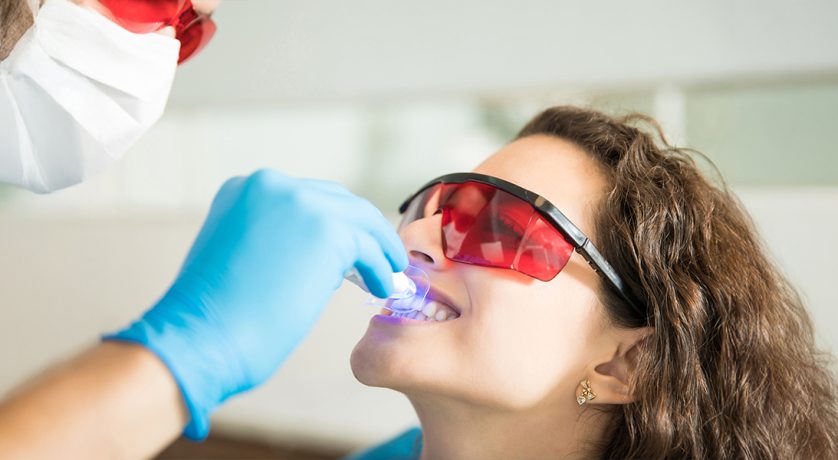
In-office options include quick-setting varnishes, foams, and gels. Application takes only a few minutes after cleaning, and the material adheres to tooth surfaces for extended contact. Your Grimsby dentist will choose a formula based on age, cavity risk, and sensitivity concerns. Afterward, you may be advised to avoid hot drinks or vigorous brushing for a few hours so the material can do its best work.
For home care, your clinician may recommend a prescription-strength toothpaste or a neutral sodium fluoride rinse. Used as directed, these products can reinforce areas that need ongoing support, like exposed roots or white-spot lesions near orthodontic brackets.
How Fluoride Helps Reverse Early Signs of Tooth Decay
Early decay often appears as a matte, chalky white area, a sign that minerals have leached out. At this stage, the surface is still intact, which means it can heal. Fluoride concentrates at the weak spot and draws calcium and phosphate back in. Combined with daily brushing, flossing, and balanced snacking, many early spots can re-harden without drilling.
It’s important to match fluoride use to your risk level. Patients with frequent snacking, dry mouth, or a history of cavity teeth may benefit from more frequent applications or a prescription product. Those at low risk can maintain their gains with routine toothpaste and regular hygiene visits.
Safety Notes: Getting the Balance Right
Like any clinical tool, fluoride works best in the right dose. Supervised use in the dental office and age-appropriate products at home keep levels safe. Parents should help younger children measure toothpaste (a rice-sized smear under age three; a pea-sized amount thereafter) and encourage spitting, not swallowing. If you ever notice persistent white or brown streaks on developing teeth, ask about dental fluorosis, which is uncommon with today’s guidelines but worth discussing for peace of mind.
Practical Tips to Maximize Benefits
- Maintain your routine by brushing twice daily with fluoride toothpaste and flossing once each day.
- Rinse with water after acidic drinks; save toothpaste for brushing times.
- Use custom advice from your clinician if you have braces, dry mouth, or sensitivity.
- Keep snacks to set times to reduce frequent acid exposure.
Final Thoughts
Healthy smiles are built on small, consistent habits backed by science. If you’re weighing your options, a personalized plan can help you decide whether periodic varnishes, daily fluoride therapy, or prescription-strength toothpaste is right for you. For a friendly, evidence-based approach to prevention and restorative care under one roof, you’re welcome to contact Bartlett & Main Family Dental Centre.