
When Oral Surgery Is Necessary to Protect Long-Term Dental Health
April 1, 2026Oral health problems are not always resolved with fillings or routine cleanings. In some cases, surgical treatment is required to address infection, structural damage, or impacted teeth.
Patients who require oral surgery in Grimsby, ON, typically experience conditions affecting the teeth, jawbone, or nearby tissues. When supported by clinical findings, surgical care addresses the underlying problem and restores proper oral function.
Surgery is considered only when non-surgical treatment cannot correct the underlying problem.
When Surgical Treatment Becomes Necessary
Oral surgery encompasses treatments designed to manage diseases or structural issues of the teeth, supporting bone, and soft tissues. It may be needed when a tooth cannot be restored, when infection has extended beyond the root, or when impacted teeth are damaging neighbouring structures.
Surgical care may also be required after trauma to the mouth or jaw. In some cases, corrective procedures help address alignment issues that interfere with chewing or speech.
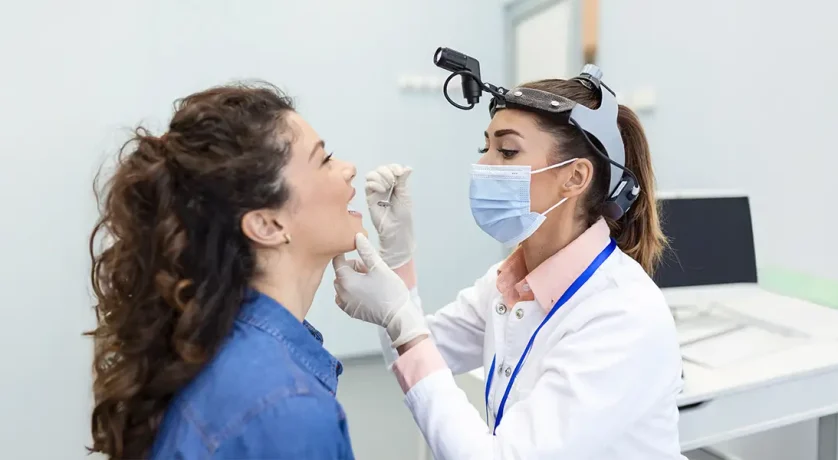
Clinical examination and imaging help determine whether dental surgery is necessary, taking into account the extent of the condition and overall oral health.
Conditions That May Require Surgical Care
Advanced decay that extends below the gumline may make a tooth impossible to restore. Removing the affected tooth can prevent the spread of infection to the surrounding bone.
Infections such as abscesses can form near the root tip and cause swelling, pain, and tissue damage. Surgical removal of infected tissue reduces pressure and limits the spread of infection.
Structural irregularities of the jaw may also require correction. In more complex cases, jaw surgery can help improve alignment and reduce strain on surrounding joints.
Proper jaw positioning improves chewing efficiency and bite balance.
Stopping Infections Before They Spread
Untreated dental infections can extend into the surrounding tissues and bone. Symptoms may include persistent swelling, discomfort, or difficulty opening the mouth.
Clearing the source of infection helps protect adjacent tissues from further involvement.
In urgent situations, evaluation by an emergency dentist in Grimsby may be necessary to manage swelling and control active infection before definitive treatment is completed.
Prompt treatment reduces the likelihood of complications and promotes steady healing.
Supporting Long-Term Oral Stability
Surgical procedures are often integrated into a comprehensive care plan. Removing diseased tissue and resolving chronic infection creates a healthier foundation for future restorative care.
After healing, patients may proceed with implants, bridges, or orthodontic treatment.
These procedures rely on stable bone and healthy gum tissue for long-lasting success.
A coordinated plan developed at a dental clinic in Grimsby ensures that both immediate concerns and future oral function are addressed.
When Tooth Removal Is the Healthier Option
Tooth extraction is sometimes necessary when a tooth is severely fractured, decayed beyond repair, or contributing to repeated infection. Although preserving natural teeth is always preferred, removal may be the safest choice when structural damage is extensive.
Extraction is considered based on the tooth’s integrity, existing infection, and its effect on surrounding structures. After removal, careful aftercare supports healing and helps protect the bone.
Replacement options are discussed to preserve spacing, maintain bite alignment, and reduce the risk of neighbouring teeth drifting.
Managing Impacted Wisdom Teeth
Wisdom teeth may fail to erupt properly or grow at an angle that traps food and bacteria. Impacted teeth can lead to inflammation, crowding, or decay in adjacent molars.
Timely evaluation allows impacted teeth to be treated before infection or structural damage develops. Surgical removal reduces the risk of recurrent infection and damage to nearby teeth.
It is normal to experience temporary swelling and tenderness that gradually decrease as healing progresses.
Improving Bite Alignment and Function
Jaw alignment affects how teeth meet and how chewing forces are distributed. When alignment is compromised, uneven pressure may lead to wear, fractures, or joint discomfort.
Corrective surgical treatment can improve bite stability and restore balanced function. These procedures are planned carefully and often coordinated with restorative or orthodontic care.
Better alignment distributes chewing forces more evenly and reduces stress on individual teeth.
Oral surgery is recommended only when clinical findings support its necessity addressing infection, structural damage, or impacted teeth without delay limits further deterioration.
At Bartlett & Main Family Dental Centre, treatment decisions are based on thorough examination, diagnostic imaging, and a focus on long-term oral health.