
What to Expect and How to Manage Pain After Wisdom Teeth Removal in Grimsby
May 1, 2026Many patients schedule wisdom teeth removal in Grimsby when the back molars cause pressure, food trapping, or repeated gum irritation. In some cases, the teeth are partially erupted or fully covered by bone, which can increase the likelihood of inflammation or infection. Understanding typical post-surgical symptoms and pain control measures can make the healing phase more manageable.
After oral surgery, healing begins as a protective blood clot forms at the extraction site. Mild bleeding during the first day is common. Swelling and jaw stiffness typically increase over the first 48 hours before gradually improving.
When impacted wisdom teeth are removed, the procedure may involve working around bone and gum tissue. Recovery can take slightly longer compared to a simple extraction, but most patients notice steady improvement within several days.
The First Few Days After Surgery
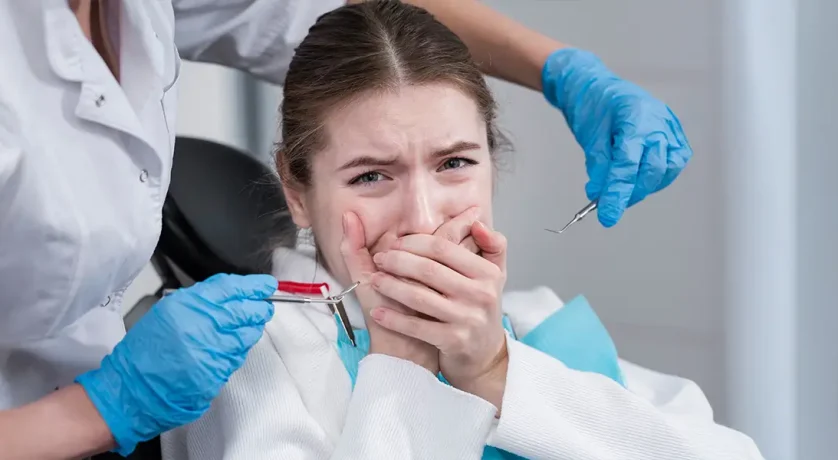
Discomfort is usually most noticeable once the numbness wears off. Patients often report soreness in the back of the jaw, mild facial swelling, and difficulty fully opening the mouth. This discomfort results from temporary swelling and tissue irritation after surgery.
Pain that steadily improves is expected. Sharp pain several days after surgery may suggest that the clot has dislodged, exposing underlying tissue. A dental professional should evaluate this to rule out complications.
Patients experiencing fever, spreading swelling, or difficulty swallowing should seek prompt care. In urgent situations, an emergency dentist Grimsby residents consult may need to evaluate the area.
How Long Does Pain Last?
For most individuals, discomfort begins to improve within three to five days. Mild tenderness when chewing can persist for up to two weeks. Healing time depends on age, immune response, and the complexity of the wisdom tooth extraction.
Persistent or intensifying discomfort after the third day warrants professional reassessment. Early evaluation reduces the chance that complications will require more advanced treatment, including emergency tooth extraction in Grimsby due to infection.
Supporting Healing at Home
Careful attention to aftercare instructions plays a significant role in recovery. Prescribed or recommended pain relievers should be taken as directed. Keeping the head slightly elevated while resting may help limit swelling.
Once the initial 24-hour period has passed, warm saltwater rinses may help reduce bacteria in the extraction area. Vigorous rinsing should be avoided, as it may disturb the clot. Straws and forceful spitting should also be avoided during the early healing phase.
Maintaining hydration and allowing adequate rest assist the body’s repair response.
Why Ice and Rest Matter
Cold compresses are most helpful during the first two days. Applying an ice pack to the outside of the cheek for short intervals may reduce swelling and provide temporary comfort. After 48 hours, mild warmth can improve circulation and reduce stiffness.
Physical exertion increases blood pressure and may prolong bleeding. Limiting strenuous activity for several days helps protect the surgical site.
Nutritious meals provide the building blocks necessary for wound healing.
Eating Comfortably While You Heal
In the initial post-surgery period, choosing soft-textured foods helps protect the extraction site. Options such as yogurt, scrambled eggs, smoothies without a straw, mashed vegetables, and lukewarm soups are easier to tolerate.
Hard, crunchy, or sticky foods can irritate the socket or become lodged in the area. Extremely hot foods should also be avoided during the first day. Gradual reintroduction of firmer textures is appropriate as comfort improves.
Watching for Swelling and Inflammation
Swelling typically peaks around the second or third day and then decreases. Mild bruising can occur in some patients. Monitoring symptoms helps distinguish between normal healing and potential complications.
If swelling worsens rather than improves, or if pain becomes severe and persistent, professional evaluation is advised. Prompt assessment allows early management and reduces the likelihood of further issues.
Carefully following post-operative guidance supports smoother healing and reduces the risk of complications. At Bartlett & Main Family Dental Centre, post-operative instructions emphasize safety, realistic expectations, and careful follow-up. If unexpected symptoms develop, contact your dental provider promptly for evaluation.