
Category: Uncategorized
Before You Whiten: 5 Things Grimsby Patients Should Know
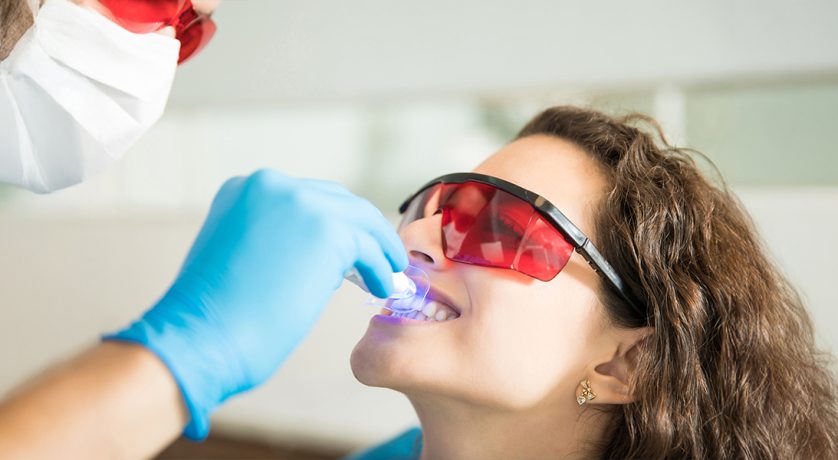
October 1, 2026A brighter smile may sound simple, but whitening is not the same for every set of teeth. If you are considering teeth whitening in Grimsby, ON, finding out what caused the discolouration is a useful first step. Coffee, tea, tobacco, ageing, dental restorations, and even an injured tooth can change tooth colour in different ways. A dental exam can check for cavities, gum concerns, sensitivity, or existing restorations before cosmetic care begins.

Why Teeth Become Stained Over Time
Some stains collect on enamel after repeated exposure to coffee, tea, red wine, tobacco, and strongly coloured foods. Other changes begin within the tooth and may be linked to ageing, trauma, medication, or previous dental treatment.
If you notice a yellow tooth stain, the first step is to determine whether the discoloration is on the surface or inside the tooth before considering whitening.
5 Important Things to Know Before Whitening Your Teeth
1. Existing Dental Work Keeps Its Current Shade
Crowns, veneers, fillings, and implant restorations do not lighten with natural teeth. Before professional teeth whitening, the dentist should note visible restorations because their shade will remain unchanged.
2. Temporary Sensitivity Can Occur
Some people notice sensitivity during or shortly after whitening. Exposed roots or already sensitive teeth can affect how the procedure is planned.
Gum irritation may also occur if bleaching material contacts soft tissues. These effects are usually temporary, but persistent or severe discomfort deserves dental attention.
3. One Dark Tooth Needs a Closer Look
If only one tooth becomes darker or changes shade, it is worth having it examined before considering whitening. Previous trauma, decay, a large restoration, or changes inside the tooth may require a different approach.
4. Whitening Results Gradually Fade
New stains can develop after whitening. Diet, tobacco exposure, oral hygiene, and individual tooth characteristics all influence how quickly the shade changes again.
Instead of expecting a fixed lifespan, ask what habits may help you maintain the result.
5. More Bleaching Does Not Mean Better Results
Using whitening material more often or leaving it on longer than directed may increase sensitivity or gum irritation. Following the recommended schedule is safer than trying to speed up the process.
Who Is a Good Candidate for Whitening?
Whitening is generally considered when teeth and gums are healthy, and the discolouration is likely to respond to bleaching. Cavities, active gum inflammation, exposed roots, or significant sensitivity may need attention first.
Existing crowns or veneers do not automatically rule out whitening, but their unchanged shade should be included in the cosmetic plan.
What to Expect During the Whitening Procedure
The Grimsby office offers in-office whitening and take-home options. During an office procedure, the gums and nearby soft tissues are protected before applying whitening material.
Teeth bleaching uses peroxide-based material to lighten certain types of discolouration in natural teeth. Application time and the number of whitening cycles vary by system, starting shade, sensitivity, and how the teeth respond.
How to Maintain Your Whitening Results
Brush twice daily with fluoride toothpaste, clean between your teeth daily, and keep up regular dental visits.
After coffee, tea, or another strongly coloured drink, rinsing with water can help clear some residue from the mouth. You do not need to avoid every dark-coloured food, but frequent exposure can contribute to new staining.
Foods and Habits That Can Cause New Stains
Coffee, tea, red wine, tobacco, and deeply pigmented foods can gradually darken teeth again. Smoking also affects oral health beyond staining, so quitting has benefits that extend well beyond tooth colour.
Patients also visit the Grimsby office from nearby communities such as Beamsville, Winona, Smithville, Stoney Creek, and Lincoln.
Is Professional Teeth Whitening Safe?
A dental assessment is important because cavities, gum inflammation, exposed roots, or existing restorations can change whether whitening is appropriate.
Dentist-supervised bleaching has a good safety profile for suitable patients when products are used as directed. Temporary sensitivity and soft-tissue irritation are among the more common short-term effects.
Final Thoughts
Knowing the cause of the discolouration, which teeth are suitable for bleaching, and whether visible restorations are present makes treatment planning more straightforward.
A cosmetic dentist in Grimsby should assess your teeth and gums before suggesting treatment based only on appearance.
Schedule a consultation with Bartlett & Main Family Dental Centre to have your teeth assessed, discuss suitable whitening options, and receive guidance on caring for your smile after treatment.
Frequently Asked Questions
No. Surface stains and deeper colour changes may respond differently, so identifying the cause matters.
No. Crowns, veneers, and fillings generally keep their existing shade.
Temporary sensitivity can occur. Contact your dentist if discomfort becomes severe, worsens, or does not settle.
There is no fixed timeline. Diet, tobacco use, oral hygiene, and individual tooth characteristics affect how quickly staining returns.
Possibly. Plan early enough for a dental exam and for any temporary sensitivity to settle.
Say Goodbye to Damaged Teeth with Porcelain Dental Crowns in Grimsby
September 1, 2026A small crack in a tooth may not seem urgent until it becomes painful while eating or leads to further damage. Acting early often helps preserve more natural tooth structure and restore comfortable function. If you’re considering dental crowns in Grimsby, ON, knowing how porcelain crowns support damaged teeth can make it easier to decide on the right treatment for your oral health.
What Are Porcelain Dental Crowns?
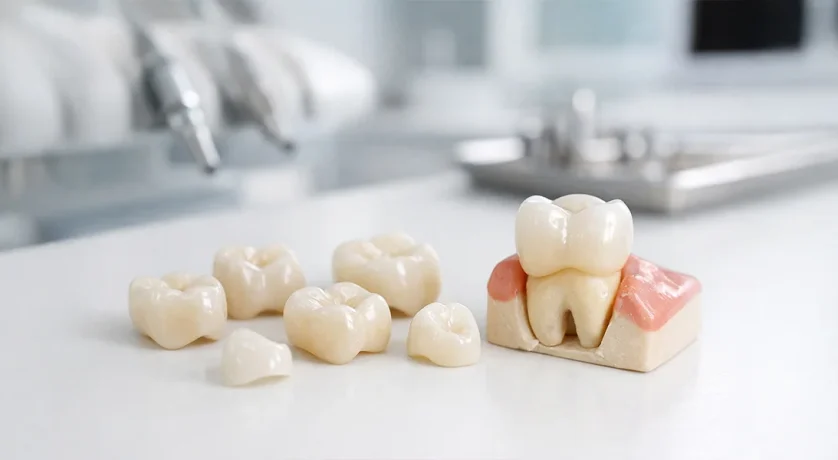
A porcelain crown is a custom-made restoration that fits over a damaged or weakened tooth. Often referred to as teeth crowns, they restore shape, strength, and everyday function while blending naturally with surrounding teeth.
If a tooth has been damaged by decay, wear, a large filling, or a fracture, a crown may provide the support it needs for everyday use. A careful examination, along with digital imaging when appropriate, helps your dentist decide whether a crown is the most suitable treatment for your tooth.
Signs You May Need a Dental Crown
Treatment is tailored to each tooth. After evaluating the damage and your overall oral health, your dentist will recommend the option that best meets your needs.
Common signs include:
- A cracked or chipped tooth
- Pain when biting or chewing
- Ongoing sensitivity to hot or cold foods
- Large cavities that weaken the remaining tooth
- Worn or failing restorations
- A tooth that has become fragile following root canal treatment
When concerns are identified early, treatment is often simpler and helps reduce the risk of additional damage.
How Porcelain Crowns Restore Damaged Teeth
Porcelain restorations completely cover the visible portion of a weakened tooth, helping distribute biting pressure more evenly during everyday use.
For individuals needing cracked tooth repair, a crown can:
- Reinforce weakened tooth structure
- Improve chewing comfort
- Reduce the likelihood of further fractures
- Restore a natural appearance
While every case is different, preserving a natural tooth whenever clinically appropriate remains an important goal of restorative dentistry.
The Benefits of Choosing Porcelain
Several materials are available for crowns, but porcelain is frequently selected because it closely resembles natural enamel.
Benefits may include:
- Natural-looking colour and translucency
- Comfortable function during everyday chewing
- Resistance to normal staining with good oral hygiene
- Long-lasting performance when properly maintained
Your dentist will discuss the material that best suits the location of the tooth, your bite, and your individual needs.
What to Expect During the Crown Procedure
Most crown treatments are completed over two appointments.
The first visit involves examining the tooth, preparing it for the crown, and capturing detailed impressions or digital scans. Your dentist will place a temporary crown as it can protect the tooth while your permanent restoration is being prepared.
At the second appointment, the custom restoration is checked for fit, bite, and appearance before being securely bonded into place.
Caring for Your Crown
A porcelain crown can remain durable and functional for many years when supported by good oral hygiene and routine dental checkups.
Helpful habits include:
- Brush twice daily using fluoride toothpaste.
- Include floss or interdental cleaners in your daily routine to help keep the spaces between your teeth free of plaque.
- Try not to bite very hard objects such as ice.
- Attend routine examinations to monitor the condition of the restoration.
These simple steps also help protect your surrounding teeth and gums.
When Prompt Crown Care Is Important
Occasionally, an existing crown may loosen, fracture, or come off unexpectedly. In these situations, emergency crown replacement in Grimsby may be appropriate to protect the affected tooth until permanent treatment can be completed.
If a restoration becomes loose or breaks, avoid chewing on that side and contact your dental office promptly. Early assessment may help prevent additional damage and discomfort.
Final Thoughts
Protecting a weakened tooth early may help preserve its function and reduce the need for more extensive treatment later. If you have concerns about a damaged tooth, the team at Bartlett & Main Family Dental Centre can assess your oral health, explain your treatment options, and help you determine whether dental crowns in Grimsby, ON, are the right solution. Patients from Beamsville, Lincoln, Winona, Smithville, and Stoney Creek also visit the practice for restorative dental care. Schedule an appointment to discuss your options.
Frequently Asked Questions
With consistent brushing, flossing, and routine dental checkups, a porcelain crown can continue to protect your tooth and function well for many years. Lifespan varies depending on oral habits and overall dental health.
No. In some situations, your cosmetic dentist in Grimsby may recommend a porcelain restoration to improve the appearance of a tooth while also restoring its strength and function.
Yes. The term “dental caps” is commonly used as another name for dental crowns because they cover the visible portion of a tooth.
Why More Patients Are Choosing Dental Bonding for Simple Smile Improvements in Grimsby
August 1, 2026Many people would like to improve small imperfections in their smile without undergoing extensive dental procedures. Patients considering dental bonding in Grimsby, ON, often seek a treatment that can address minor cosmetic concerns while preserving healthy tooth structure. Many patients choose bonding because it can address minor aesthetic concerns while preserving most of the natural tooth, making it an appealing option for those seeking conservative cosmetic care.

What Is Dental Bonding and How Does It Work?
Dental bonding is a cosmetic procedure that uses a tooth-coloured resin material to address minor cosmetic concerns affecting the teeth.
Once polished, the material is designed to blend with the surrounding enamel for a natural-looking result.
Bonding is often considered for patients who want to address minor cosmetic concerns without more extensive restorative treatment.
Why More Patients Are Choosing Dental Bonding
One reason bonding continues to gain popularity is its ability to improve several cosmetic concerns while preserving most of the natural tooth structure.
Once applied to the tooth, the resin is meticulously contoured and then strengthened using a specialized light-curing process. Patients often appreciate that the procedure can be completed efficiently and that results are visible immediately after treatment. In many situations, bonding can provide meaningful cosmetic improvements without requiring more complex procedures.
A cosmetic dental consultation, smile assessment, and treatment planning appointment can help determine whether bonding is suitable based on individual goals, oral health, and expectations.
Common Cosmetic Concerns That Bonding Can Address
Bonding may be used to improve a variety of cosmetic concerns, including:
- Small gaps between teeth
- Minor chips or cracks
- Uneven tooth shape
- Slight differences in tooth size
- Localized enamel wear
- Minor surface irregularities
For some patients, gap teeth bonding may help reduce the appearance of small spaces between teeth. Others may benefit from chipped-tooth bonding to restore a smoother, more symmetrical tooth surface.
Because every smile is unique, treatment recommendations should be based on a professional examination and individualized planning.
How Dental Bonding Improves Smile Appearance
Bonding can improve smile aesthetics by refining tooth contours and correcting minor imperfections.
The resin material may be shaped to improve symmetry, restore worn areas, and create a more even appearance across the smile. Teeth bonding can often create a more balanced smile by correcting small aesthetic concerns and improving the harmony of tooth shape and size.
When treatment is carefully planned, the goal is to achieve a result that blends naturally with neighbouring teeth.
Benefits of Bonding Compared to Other Cosmetic Treatments
Dental bonding offers several potential advantages for appropriate candidates.
These may include:
- Conservative treatment with minimal tooth preparation
- Immediate cosmetic improvements
- Natural-looking results
- Preservation of healthy tooth structure
- Flexibility in addressing multiple cosmetic concerns
Patients interested in cosmetic dental bonding often appreciate that treatment can be tailored to their individual goals while maintaining a natural-looking result.
Although bonding can be an excellent option in many situations, alternative cosmetic treatments may be recommended depending on long-term goals, the condition of the teeth, and the extent of the concern.
When Is Dental Bonding Used to Close a Tooth Gap?
Spacing between teeth is one of the most common reasons patients explore cosmetic treatment options.
In certain situations, tooth gap closure may be achieved by carefully applying a resin to reshape the affected teeth and reduce visible spacing. Whether this approach is appropriate depends on the size of the gap, bite relationships, and overall treatment objectives.
A clinical examination helps determine whether bonding is an appropriate option for addressing spacing concerns.
Choosing the Right Dentist for Cosmetic Bonding Treatment
Successful cosmetic treatment begins with a detailed evaluation and realistic treatment planning.
A comprehensive assessment typically includes:
- Examination of tooth structure
- Evaluation of smile aesthetics
- Review of oral health status
- Discussion of cosmetic goals
- Personalized treatment recommendations
At Bartlett & Main Family Dental Centre, treatment recommendations are based on clinical findings, patient preferences, and long-term oral health considerations.
Patients seeking a Grimsby dentist for cosmetic improvements often benefit from choosing a practice that emphasizes personalized care, conservative treatment planning, and realistic expectations.
Individuals from nearby communities such as Casablanca and Beamsville frequently seek cosmetic consultations when concerns such as chips, spacing, or uneven tooth shape affect their confidence.
Careful planning helps ensure cosmetic improvements support both the appearance and long-term health of the teeth.
Frequently Asked Questions
The longevity of bonded teeth depends on factors such as oral hygiene habits, dietary choices, bite forces, and routine dental care.
Yes. When clinically suitable, bonding can help correct small chips and enhance the tooth’s appearance by creating a more even surface.
Bonding is generally considered a conservative procedure that often requires little or no removal of healthy tooth structure.
In selected situations, bonding may be used to reduce the appearance of small spaces between teeth. A professional evaluation can determine whether this option is suitable.
Candidates often include individuals with minor cosmetic concerns, such as chips, small gaps, uneven tooth shapes, or localized enamel wear, who are seeking conservative cosmetic treatment.
Beyond Straight Teeth: How a Grimsby Cosmetic Dentist Can Improve a Crooked Smile
July 1, 2026A crooked smile can affect more than appearance alone. Uneven, crowded, or damaged teeth may influence confidence, make oral hygiene more challenging, and affect the overall balance of facial aesthetics. For individuals exploring cosmetic dentistry in Grimsby, ON, modern treatment options can address a variety of concerns, from minor spacing issues to chipped teeth and irregular tooth shapes.

Today’s cosmetic treatments focus on creating natural-looking results that complement a person’s features while supporting long-term oral health. Careful planning allows treatment recommendations to be tailored to each individual’s goals and clinical needs.
What Causes a Crooked Smile?
Several factors can contribute to a crooked or uneven smile, and genetics are only one part of the equation.
Common causes include:
- Crowding or spacing between teeth
- Differences in jaw development
- Premature loss of teeth
- Previous dental trauma
- Tooth movement over time
- Childhood habits that influence tooth positioning
- Wear that alters tooth shape and symmetry
In some situations, teeth may appear misaligned because of uneven contours, irregular proportions, or chipped surfaces rather than their actual position within the jaw.
How Cosmetic Dentistry Can Improve Alignment
Not every alignment concern requires orthodontic treatment.
Certain cosmetic procedures can create the appearance of better alignment by refining tooth shape, adjusting proportions, reducing visible gaps, and improving symmetry. During a consultation, a dentist evaluates the teeth, gums, bite, and facial characteristics before discussing suitable treatment options.
In some cases, alignment concerns are primarily aesthetic rather than functional. Procedures that modify the visible shape or contour of teeth may enhance symmetry without changing the position of the tooth roots.
Treatment may focus on:
- Improving tooth proportions
- Enhancing visual balance
- Reducing the appearance of spacing
- Refining contours
- Creating a more harmonious appearance
The goal is to achieve a natural-looking result that complements the overall facial profile.
Popular Treatments for Smile Makeovers
A personalized teeth makeover may involve a single procedure or a combination of treatments, depending on the individual’s goals.
Porcelain Veneers
Porcelain veneers are thin custom restorations bonded to the front surfaces of teeth. They can address minor spacing concerns, uneven edges, discoloration, and irregular tooth shapes, creating a more balanced appearance.
Dental Bonding
Bonding uses tooth-coloured composite resin to repair chips, reshape teeth, and improve overall symmetry. It is often a conservative option for addressing smaller cosmetic concerns.
Clear Aligners
When tooth positioning contributes significantly to an uneven appearance, clear aligners may be recommended to reposition the teeth gradually.
Crowns
Crowns may be used when teeth have experienced significant wear, fractures, or structural compromise that affects both appearance and function.
Benefits of Aesthetic Dentistry for Crooked Teeth
Modern aesthetic dentistry offers benefits that extend beyond cosmetic enhancement.
Potential advantages may include:
- Better tooth symmetry
- Improved facial harmony
- Increased confidence in social and professional settings
- Enhanced appearance of worn or damaged teeth
- More balanced proportions throughout the smile
Treatment recommendations depend on each person’s oral health, cosmetic objectives, and existing dental conditions.
Fixing Broken or Uneven Teeth with Cosmetic Solutions
Many patients seek treatment because of broken teeth, uneven edges, chips, or variations in tooth size that affect overall appearance.
Depending on the condition being addressed, cosmetic procedures may help:
- Restore chipped areas
- Improve uneven tooth lengths
- Refine contours
- Create better symmetry
- Enhance overall aesthetics
Conservative cosmetic improvements can often create meaningful visual changes while preserving healthy tooth structure.
What to Expect During a Smile Transformation
Every cosmetic journey begins with a comprehensive assessment.
The consultation process may include:
- Review of dental and medical history
- Clinical examination
- Digital imaging when appropriate
- Discussion of cosmetic concerns
- Bite evaluation
- Personalized treatment planning
This assessment helps identify which cosmetic dental services may align with your goals, oral health status, and long-term expectations.
Choosing the Right Cosmetic Treatment for You
Choosing a cosmetic procedure involves balancing aesthetics, oral health, and long-term maintenance considerations.
Several factors influence treatment recommendations, including:
- The nature of the concern
- Existing restorations
- Tooth structure
- Gum health
- Bite function
- Maintenance requirements
When searching for a cosmetic dentist near you, it is beneficial to choose a provider who considers both appearance and oral health when developing recommendations.
Maintaining Your Results After Treatment
Maintaining cosmetic improvements requires consistent care and healthy habits.
To help preserve your results:
- Brush and floss regularly
- Attend routine dental examinations
- Wear retainers when recommended
- Avoid habits that may damage teeth
- Follow individualized oral hygiene instructions
Patients from nearby communities such as Beamsville and Lincoln often seek cosmetic consultations in Grimsby to address spacing concerns, uneven teeth, and other aesthetic goals. Ongoing preventive care can help preserve cosmetic enhancements over time.
At Bartlett & Main Family Dental Center, recommendations are based on oral health findings, cosmetic concerns, and each patient’s individual priorities. Personalized planning helps ensure treatment decisions align with both aesthetic goals and long-term oral health considerations.
FAQs
In some situations, procedures such as veneers or bonding can improve the appearance of minor alignment concerns without physically moving the teeth.
No. Veneers may also address gaps, uneven shapes, chipped teeth, and certain cosmetic alignment concerns.
Yes. Bonding is commonly used to restore minor chips and improve tooth shape while preserving natural tooth structure.
A consultation and examination help determine which option best aligns with your oral health needs, cosmetic goals, and expectations.
Longevity varies depending on the procedure performed, oral hygiene habits, lifestyle factors, and ongoing professional care.
Dealing With Tooth Pain: When to Call for Same-Day Emergency Dentistry
June 1, 2026Tooth pain can begin suddenly and may become difficult to ignore within a short period of time. A sharp pain, deep ache, or pressure in the jaw may be linked to decay, infection, inflammation, or dental trauma. When symptoms appear quickly or become more intense, same-day emergency dentistry in Grimsby may help reduce the time between assessment and treatment.
Preventive dental care also plays an important role. Regular cleanings support gum health, reduce plaque and tartar buildup, and may help a dentist identify smaller concerns before they become more serious. Even so, urgent dental problems can still happen and may require prompt attention.
Common Causes of Sudden Tooth Pain
Sudden tooth pain often has an underlying cause. In some cases, the discomfort begins mildly and becomes more noticeable as the inside of the tooth or the surrounding gum tissue becomes irritated or inflamed.
Common causes may include:
- Tooth decay that extends into deeper layers of the tooth
- A cracked, chipped, or broken tooth
- A loose filling or worn dental restoration
- Gum inflammation or infection
- A dental abscess
- Grinding or clenching that places pressure on the teeth and jaw
Pain that comes and goes should still be taken seriously. Ongoing or worsening discomfort may indicate a problem that should be assessed by a dentist.
Signs That May Indicate a Dental Emergency
Some symptoms may suggest the need for urgent dental care rather than a routine appointment. These can include severe pain, visible swelling, bleeding after an injury, or damage to a tooth.
Other warning signs may include:
- Pus near the gums
- Fever along with dental pain
- Sudden pain when biting
- A knocked-out tooth
- Swelling in the face or jaw
When tooth pain begins to affect sleep, eating, or daily activities, access to an emergency dentist open now may help support timely evaluation and pain management. Infections and dental injuries can become more difficult to manage if treatment is delayed.
When to Seek Immediate Dental Care
Immediate dental care may be appropriate when symptoms suggest infection, trauma, or increasing swelling. Swelling in the gums, cheek, or jaw should be assessed promptly, especially when it occurs with pain, pressure, or an unpleasant taste in the mouth. A broken or partially dislodged tooth may also need urgent attention, as treatment timing can affect the available options.
When pain starts between regular dental visits, a walk-in dental clinic may provide a practical option for early evaluation. A dentist assesses the cause of the discomfort and explains what treatment, if any, may be recommended.
What Happens During an Emergency Dental Visit
An emergency dental visit is usually focused on identifying the source of pain and deciding on the next appropriate step in care. The dentist may begin with an exam and ask questions about when the pain started, how severe it feels, and whether swelling, trauma, or temperature sensitivity is present.
If needed, digital X-rays may be used to help identify issues below the surface. Based on the findings, the visit may focus on:
- Reducing pain
- Managing infection or inflammation
- Protecting the tooth and surrounding tissues
In some cases, treatment may be completed the same day. In others, temporary care may be provided first, followed by a later procedure depending on the condition of the tooth and surrounding tissue.
Treatment Options for Same-Day Tooth Repair
The appropriate treatment is based on the cause of the condition and how much it has progressed. If a tooth is cracked or broken, a dentist may recommend bonding, a filling, or a crown, depending on the amount of remaining tooth structure. If the pulp inside the tooth is infected, root canal treatment may be one option to remove the infection and preserve the tooth.
Possible treatment options may include:
- A filling or bonding for minor damage
- A crown for a weakened or fractured tooth
- Root canal treatment for infection inside the tooth
- Extraction if the tooth cannot be restored predictably
- Medication when swelling or infection is present, if clinically appropriate
If the tooth remains stable and restorable, same-day tooth repair may help protect the area and improve comfort. Treatment suitability varies from person to person and depends on the findings during the exam.
Tips to Handle Tooth Pain Before Your Appointment
A few simple steps may help while you wait to be seen. A gentle rinse with warm salt water may help maintain cleanliness in the affected area. It is also advisable to avoid chewing on that side and to apply a cold compress externally if swelling develops. Over-the-counter pain medication may also help when used as directed.
Placing aspirin on the gums or tooth is not recommended, as it can irritate the tissue. Because swelling can sometimes be linked to infection, emergency dental care for swelling may be appropriate when the cheek, jaw, or gums begin to enlarge or feel increasingly tender.
Final Thoughts
Tooth pain should not be ignored, especially when it is severe, persistent, or accompanied by swelling or visible damage. Early assessment may help reduce discomfort and lower the risk of further complications. Patients in Grimsby and nearby communities such as Beamsville, Lincoln, Winona, Stoney Creek, and Hamilton may benefit from timely dental evaluation when urgent symptoms appear. Bartlett & Main Family Dental Centre provides same-day emergency care for urgent dental concerns. If symptoms worsen or do not improve, it may be helpful to schedule an evaluation so a dentist can assess the cause and discuss appropriate next steps.
What to Expect and How to Manage Pain After Wisdom Teeth Removal in Grimsby
May 1, 2026Many patients schedule wisdom teeth removal in Grimsby when the back molars cause pressure, food trapping, or repeated gum irritation. In some cases, the teeth are partially erupted or fully covered by bone, which can increase the likelihood of inflammation or infection. Understanding typical post-surgical symptoms and pain control measures can make the healing phase more manageable.
After oral surgery, healing begins as a protective blood clot forms at the extraction site. Mild bleeding during the first day is common. Swelling and jaw stiffness typically increase over the first 48 hours before gradually improving.
When impacted wisdom teeth are removed, the procedure may involve working around bone and gum tissue. Recovery can take slightly longer compared to a simple extraction, but most patients notice steady improvement within several days.
The First Few Days After Surgery
Discomfort is usually most noticeable once the numbness wears off. Patients often report soreness in the back of the jaw, mild facial swelling, and difficulty fully opening the mouth. This discomfort results from temporary swelling and tissue irritation after surgery.
Pain that steadily improves is expected. Sharp pain several days after surgery may suggest that the clot has dislodged, exposing underlying tissue. A dental professional should evaluate this to rule out complications.
Patients experiencing fever, spreading swelling, or difficulty swallowing should seek prompt care. In urgent situations, an emergency dentist Grimsby residents consult may need to evaluate the area.
How Long Does Pain Last?
For most individuals, discomfort begins to improve within three to five days. Mild tenderness when chewing can persist for up to two weeks. Healing time depends on age, immune response, and the complexity of the wisdom tooth extraction.
Persistent or intensifying discomfort after the third day warrants professional reassessment. Early evaluation reduces the chance that complications will require more advanced treatment, including emergency tooth extraction in Grimsby due to infection.
Supporting Healing at Home
Careful attention to aftercare instructions plays a significant role in recovery. Prescribed or recommended pain relievers should be taken as directed. Keeping the head slightly elevated while resting may help limit swelling.
Once the initial 24-hour period has passed, warm saltwater rinses may help reduce bacteria in the extraction area. Vigorous rinsing should be avoided, as it may disturb the clot. Straws and forceful spitting should also be avoided during the early healing phase.
Maintaining hydration and allowing adequate rest assist the body’s repair response.
Why Ice and Rest Matter
Cold compresses are most helpful during the first two days. Applying an ice pack to the outside of the cheek for short intervals may reduce swelling and provide temporary comfort. After 48 hours, mild warmth can improve circulation and reduce stiffness.
Physical exertion increases blood pressure and may prolong bleeding. Limiting strenuous activity for several days helps protect the surgical site.
Nutritious meals provide the building blocks necessary for wound healing.
Eating Comfortably While You Heal
In the initial post-surgery period, choosing soft-textured foods helps protect the extraction site. Options such as yogurt, scrambled eggs, smoothies without a straw, mashed vegetables, and lukewarm soups are easier to tolerate.
Hard, crunchy, or sticky foods can irritate the socket or become lodged in the area. Extremely hot foods should also be avoided during the first day. Gradual reintroduction of firmer textures is appropriate as comfort improves.
Watching for Swelling and Inflammation
Swelling typically peaks around the second or third day and then decreases. Mild bruising can occur in some patients. Monitoring symptoms helps distinguish between normal healing and potential complications.
If swelling worsens rather than improves, or if pain becomes severe and persistent, professional evaluation is advised. Prompt assessment allows early management and reduces the likelihood of further issues.
Carefully following post-operative guidance supports smoother healing and reduces the risk of complications. At Bartlett & Main Family Dental Centre, post-operative instructions emphasize safety, realistic expectations, and careful follow-up. If unexpected symptoms develop, contact your dental provider promptly for evaluation.
When Oral Surgery Is Necessary to Protect Long-Term Dental Health
April 1, 2026Oral health problems are not always resolved with fillings or routine cleanings. In some cases, surgical treatment is required to address infection, structural damage, or impacted teeth.
Patients who require oral surgery in Grimsby, ON, typically experience conditions affecting the teeth, jawbone, or nearby tissues. When supported by clinical findings, surgical care addresses the underlying problem and restores proper oral function.
Surgery is considered only when non-surgical treatment cannot correct the underlying problem.
When Surgical Treatment Becomes Necessary
Oral surgery encompasses treatments designed to manage diseases or structural issues of the teeth, supporting bone, and soft tissues. It may be needed when a tooth cannot be restored, when infection has extended beyond the root, or when impacted teeth are damaging neighbouring structures.
Surgical care may also be required after trauma to the mouth or jaw. In some cases, corrective procedures help address alignment issues that interfere with chewing or speech.
Clinical examination and imaging help determine whether dental surgery is necessary, taking into account the extent of the condition and overall oral health.
Conditions That May Require Surgical Care
Advanced decay that extends below the gumline may make a tooth impossible to restore. Removing the affected tooth can prevent the spread of infection to the surrounding bone.
Infections such as abscesses can form near the root tip and cause swelling, pain, and tissue damage. Surgical removal of infected tissue reduces pressure and limits the spread of infection.
Structural irregularities of the jaw may also require correction. In more complex cases, jaw surgery can help improve alignment and reduce strain on surrounding joints.
Proper jaw positioning improves chewing efficiency and bite balance.
Stopping Infections Before They Spread
Untreated dental infections can extend into the surrounding tissues and bone. Symptoms may include persistent swelling, discomfort, or difficulty opening the mouth.
Clearing the source of infection helps protect adjacent tissues from further involvement.
In urgent situations, evaluation by an emergency dentist in Grimsby may be necessary to manage swelling and control active infection before definitive treatment is completed.
Prompt treatment reduces the likelihood of complications and promotes steady healing.
Supporting Long-Term Oral Stability
Surgical procedures are often integrated into a comprehensive care plan. Removing diseased tissue and resolving chronic infection creates a healthier foundation for future restorative care.
After healing, patients may proceed with implants, bridges, or orthodontic treatment.
These procedures rely on stable bone and healthy gum tissue for long-lasting success.
A coordinated plan developed at a dental clinic in Grimsby ensures that both immediate concerns and future oral function are addressed.
When Tooth Removal Is the Healthier Option
Tooth extraction is sometimes necessary when a tooth is severely fractured, decayed beyond repair, or contributing to repeated infection. Although preserving natural teeth is always preferred, removal may be the safest choice when structural damage is extensive.
Extraction is considered based on the tooth’s integrity, existing infection, and its effect on surrounding structures. After removal, careful aftercare supports healing and helps protect the bone.
Replacement options are discussed to preserve spacing, maintain bite alignment, and reduce the risk of neighbouring teeth drifting.
Managing Impacted Wisdom Teeth
Wisdom teeth may fail to erupt properly or grow at an angle that traps food and bacteria. Impacted teeth can lead to inflammation, crowding, or decay in adjacent molars.
Timely evaluation allows impacted teeth to be treated before infection or structural damage develops. Surgical removal reduces the risk of recurrent infection and damage to nearby teeth.
It is normal to experience temporary swelling and tenderness that gradually decrease as healing progresses.
Improving Bite Alignment and Function
Jaw alignment affects how teeth meet and how chewing forces are distributed. When alignment is compromised, uneven pressure may lead to wear, fractures, or joint discomfort.
Corrective surgical treatment can improve bite stability and restore balanced function. These procedures are planned carefully and often coordinated with restorative or orthodontic care.
Better alignment distributes chewing forces more evenly and reduces stress on individual teeth.
Oral surgery is recommended only when clinical findings support its necessity addressing infection, structural damage, or impacted teeth without delay limits further deterioration.
At Bartlett & Main Family Dental Centre, treatment decisions are based on thorough examination, diagnostic imaging, and a focus on long-term oral health.
How Periodontal Care Helps Protect Gum Health Over Time
March 1, 2026Gum disease often develops quietly. Many people notice subtle changes, such as bleeding when brushing, tenderness along the gumline, or persistent bad breath, and do not always realize these may be early warning signs. When addressed early, gum concerns are often easier to manage and less disruptive to daily life. If you’re from the area and seeking periodontal treatment in Grimsby, ON, at the first signs of irritation, it can help support healthier gums and protect the structures that hold teeth in place.

Periodontal care focuses on the tissues surrounding the teeth, including the gums and underlying bone. Maintaining these tissues is essential for long-term oral comfort, stability, and function. Early attention allows dental professionals to guide care before inflammation becomes more difficult to control.
Early Clues That Gums May Need Attention
The earliest indications of gum disease can be easy to overlook. Gums may appear red, swollen, or tender. Bleeding during brushing or flossing is common and should not be ignored. Some people also notice that their gums seem to pull away from the teeth or that their bite feels slightly different.
These changes do not always cause pain, which is why routine dental visits are important. Identifying concerns early helps reduce the chance of ongoing inflammation and supports healthier healing.
How Periodontal Care Helps Control Disease Progression
When gum disease is left unmanaged, inflammation can extend below the gumline and affect the tissues that support the teeth. Periodontal therapy focuses on reducing harmful bacteria and calming inflammation to help slow this progression.
This type of care is designed to support healing rather than simply mask symptoms. By improving gum attachment and reducing bacterial buildup, periodontal care helps create a healthier environment in the mouth over time.
Why Deep Cleaning Plays an Important Role
Once plaque hardens into tartar below the gumline, brushing alone is no longer effective. In these situations, deep cleaning procedures such as scaling and root planing may be recommended. This process carefully removes buildup from beneath the gums and smooths the tooth roots to encourage healthier gum attachment.
Deep cleanings are performed with attention to comfort and may be completed over more than one visit, depending on individual needs. Many patients notice reduced inflammation and improved gum comfort following this type of care.
Preserving Tooth Support With Timely Care
Healthy gums and strong bone tissue are crucial for maintaining the stability of teeth. When gum disease progresses, it can compromise these supporting structures, leading to an increased risk of loose teeth. Periodontal care is aimed at preserving existing gum health and bone integrity while also promoting healing whenever feasible.
In certain cases, additional procedures such as gum grafting or bone grafting may be considered to support areas affected by tissue loss. These treatments are part of a broader care plan and are focused on maintaining oral function rather than appearance.
How Gum Health Relates to Overall Well-Being
The mouth plays a critical role in overall health. Ongoing inflammation in the gums may affect comfort and daily function if left unmanaged. Supporting healthy gums helps maintain balance within the oral environment and contributes to overall wellness.
Addressing gingivitis near you early allows inflammation to be managed before it becomes more difficult to control. Daily oral hygiene, combined with professional care, helps support long-term gum stability.
Maintaining Gum Health Over the Long Term
Periodontal care is an ongoing process that extends beyond a single visit. To maintain healthy gums, it is crucial to engage in regular monitoring, consistent cleanings, and diligent home care. Many patients find that customized maintenance schedules help identify changes in their gum health early, allowing for timely intervention.
At Bartlett & Main Family Dental Centre, we prioritize periodontal care through education, clear communication, and strategic planning. By understanding how periodontal treatment supports gum health, patients can actively participate in maintaining their oral well-being.
Thinking About Your Next Step?
If you have noticed changes in your gums or have questions about periodontal care, a professional evaluation can provide clarity and guidance. Early conversations often make it easier to plan care with confidence and avoid unnecessary complications later.
What You Need to Know About Sedation Methods in Sleep Dentistry?
February 1, 2026If you avoid dental visits because of fear or past bad experiences, you are not alone. Many people now ask about sedation dentistry in Grimsby, ON, so they can receive care without dread or tension. Sleep dentistry uses safe, controlled medications to lower awareness, ease muscle tension, and help you sit through treatment with far less stress.

Different Levels of Sedation Used in Sleep Dentistry
Sedation exists on a scale. Your dentist selects a level based on your health, the procedure, and how you feel about treatment.
Common levels include:
- Minimal sedation: You stay awake but feel calm and relaxed.
- Moderate sedation: You may slur words and remember little of the visit.
- Deep sedation: You are on the edge of sleep and respond only to stronger prompts.
People often say they want a dentist who put you to sleep when what they need is deep or moderate sedation, matched to their comfort and safety.
How Oral Sedation Works for Anxious Patients
Oral sedation uses a prescribed pill taken before your appointment. By the time you sit in the chair, you feel more at ease and less aware of sights and sounds that once triggered your dental phobia.
You still breathe on your own and can respond when your dentist speaks. Many patients remember little of the visit afterward, which helps break the cycle of fear. You will need a ride home, as the calming effect can last for several hours after treatment.
The Benefits of Nitrous Oxide for Mild Dental Anxiety
Nitrous oxide, often called “laughing gas,” is a gentle option for patients with mild dental anxiety. You breathe the gas through a small nose mask while the dentist works. Within minutes, you feel light, relaxed, and less aware of the procedure.
One major benefit is control. The dentist adjusts the flow during treatment and turns it off as soon as the work is done. The effect wears off fast, so in most cases you can drive yourself home and get back to your day.
IV Sedation for Complex or Longer Dental Procedures
IV sedation delivers medication through a small line in your arm or hand. This method acts fast and lets the dentist adjust the level at each stage of treatment. It is often used for wisdom teeth removal, implant surgery, or several procedures done in one visit.
Under IV sedation, time can seem to pass in a blur. You may recall little or nothing about the appointment, yet your vital signs stay under close watch. When someone searches “sedation dentist near me,” they often need this level of care for more complex or lengthy visits.
Who Is an Ideal Candidate for Sleep Dentistry?
Sleep dentistry can help a wide range of patients, including those who:
- Avoid the dentist because of fear or shame
- Have a strong gag reflex
- Need extensive treatment in fewer visits
- Struggle to sit still because of medical or developmental conditions
Before any procedure, your dentist takes time to review your medical background, current prescriptions, and past dental experiences to plan care that fits your needs. Together, you can decide which form of sedation fits your needs and supports safe, predictable care.
Safety Protocols Followed During Sedation
Safety is the foundation of all sedation methods. Before your visit, the team reviews your health history, allergies, and any previous reactions to medication. On the day of treatment, they check your blood pressure, heart rate, and oxygen levels.
During the procedure, trained staff monitor you without pause. Modern equipment tracks breathing and circulation so the dentist can respond at once if anything changes. Clear home-care instructions help you rest and recover after your visit, with a plan for follow-up if you have concerns.
Final Thoughts
Sleep dentistry is not about “knocking you out.” It is about meeting you where you are, easing fear, and giving you a path back to a healthy mouth. With the right level of sedation, even long or complex visits can feel manageable.
If you feel frozen by fear, reach out to Bartlett & Main Family Dental Centre to talk through your options, ask questions, and learn which approach to sedation could help you move forward with care at a pace that feels right for you.
Exploring the Role of Fluoride in Preventing Tooth Decay
January 1, 2026A strong smile starts with strong enamel. If you’re considering fluoride treatment in Grimsby, ON, you’re likely asking how this simple step can keep your teeth healthy for the long haul. Below, we explain what fluoride is, how it works, who benefits most, and what to expect at an appointment so you can feel confident about your preventive care choices.
What Is Fluoride and How Does It Work on Teeth
Fluoride is a natural mineral found in everyday sources like water, soil, and certain foods. On teeth, it acts as a helper during the daily cycle of demineralization and remineralization. Acids from bacteria and certain foods pull minerals out of enamel; saliva and fluoride add them back. When fluoride is present, the new mineral layer that forms fluorapatite resists acid better than the original surface. Over time, that means harder enamel and fewer weak spots.
The Science Behind Fluoride and Enamel Strengthening
Think of enamel as a porous lattice. Every day, acids open tiny pathways that make the surface vulnerable. Fluoride sits in these pathways and helps rebuild with tighter, more acid-resistant crystals. This doesn’t make teeth indestructible, but it raises the threshold at which acids can do harm. Research consistently shows fluoride reduces the incidence of decay when used as part of a complete home-care routine and regular checkups.
A few quick facts:
- Fluoride supports remineralization where early softening has begun.
- It lowers the “critical pH,” slowing the rate at which enamel dissolves.
- Topical sources like varnishes, gels, and toothpaste are the most impactful for everyday protection.
Benefits of Fluoride for Children vs. Adults
Children’s teeth are still maturing, both above and below the gumline. Topical fluoride helps newly erupted enamel harden faster, making it more resilient in those snack-heavy, brushing-still-learning years. For teens with braces, it can protect around brackets where plaque tends to collect.
Adults benefit, too, in different ways. Gum recession exposes root surfaces that demineralize more easily. Many adults also face dry mouth from medications, which reduces the protective power of saliva. In these cases, targeted fluoride can offset higher risk. Athletes who sip acidic sports drinks and patients who enjoy citrus or sparkling water can also gain significant protection.
Professional Fluoride Treatments at the Dentist
In-office options include quick-setting varnishes, foams, and gels. Application takes only a few minutes after cleaning, and the material adheres to tooth surfaces for extended contact. Your Grimsby dentist will choose a formula based on age, cavity risk, and sensitivity concerns. Afterward, you may be advised to avoid hot drinks or vigorous brushing for a few hours so the material can do its best work.
For home care, your clinician may recommend a prescription-strength toothpaste or a neutral sodium fluoride rinse. Used as directed, these products can reinforce areas that need ongoing support, like exposed roots or white-spot lesions near orthodontic brackets.
How Fluoride Helps Reverse Early Signs of Tooth Decay
Early decay often appears as a matte, chalky white area, a sign that minerals have leached out. At this stage, the surface is still intact, which means it can heal. Fluoride concentrates at the weak spot and draws calcium and phosphate back in. Combined with daily brushing, flossing, and balanced snacking, many early spots can re-harden without drilling.
It’s important to match fluoride use to your risk level. Patients with frequent snacking, dry mouth, or a history of cavity teeth may benefit from more frequent applications or a prescription product. Those at low risk can maintain their gains with routine toothpaste and regular hygiene visits.
Safety Notes: Getting the Balance Right
Like any clinical tool, fluoride works best in the right dose. Supervised use in the dental office and age-appropriate products at home keep levels safe. Parents should help younger children measure toothpaste (a rice-sized smear under age three; a pea-sized amount thereafter) and encourage spitting, not swallowing. If you ever notice persistent white or brown streaks on developing teeth, ask about dental fluorosis, which is uncommon with today’s guidelines but worth discussing for peace of mind.
Practical Tips to Maximize Benefits
- Maintain your routine by brushing twice daily with fluoride toothpaste and flossing once each day.
- Rinse with water after acidic drinks; save toothpaste for brushing times.
- Use custom advice from your clinician if you have braces, dry mouth, or sensitivity.
- Keep snacks to set times to reduce frequent acid exposure.
Final Thoughts
Healthy smiles are built on small, consistent habits backed by science. If you’re weighing your options, a personalized plan can help you decide whether periodic varnishes, daily fluoride therapy, or prescription-strength toothpaste is right for you. For a friendly, evidence-based approach to prevention and restorative care under one roof, you’re welcome to contact Bartlett & Main Family Dental Centre.